If planning your week feels overwhelming before it even begins, you are not alone. Many women turn to long to do lists believing that more structure will create more control. At first glance, these lists feel reassuring. Everything is written down. Nothing is forgotten. Yet instead of clarity, what often follows is pressure, mental fatigue, and a persistent feeling of falling behind.
Overloaded planning systems rarely fail because of laziness or lack of discipline. They fail because they do not account for how the brain actually processes energy, attention, and decision making. When planning becomes rigid, excessive, or unrealistic, it stops supporting your life and starts competing with it. What should feel grounding begins to feel heavy.
Simple planning offers a different approach. Instead of measuring productivity by how much you can fit into a day, it prioritizes intention, sustainability, and follow through. When your planning system works with your nervous system rather than against it, consistency becomes easier and self trust begins to rebuild.
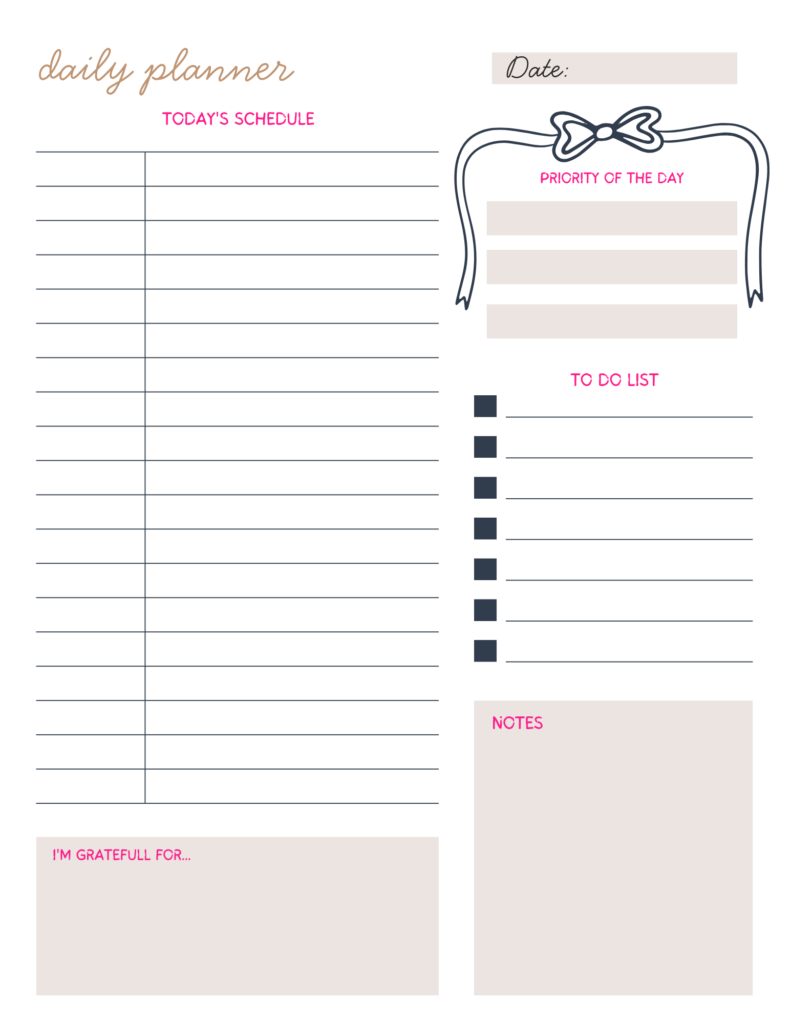
This blog includes a free gentle daily planning tool shared below, created to help simplify your planning process and reduce overwhelm without adding pressure.
What Simple Planning Actually Is
Simple planning is not minimalism for the sake of aesthetics. It is not about lowering your standards or ambition. It is a planning approach rooted in clarity, intention, and emotional sustainability.
At its core, simple planning focuses on:
fewer priorities
clear direction
built in flexibility
emotional sustainability
Instead of overwhelming your mind with everything that could be done, simple planning helps you decide what needs your attention now. When your plan feels supportive rather than demanding, follow through becomes easier and more consistent.
The Hidden Problem With Overloaded To Do Lists
Long to do lists are often mistaken for productivity. They look organized and ambitious, but psychologically they create pressure rather than clarity.
When your brain is presented with too many tasks at once, it struggles to prioritize. Every item competes for attention, creating low grade stress before the day even begins.
Common effects of overloaded to do lists include:
decision fatigue before starting tasks
difficulty knowing where to begin
increased procrastination
guilt over unfinished items
constant reshuffling of priorities
feeling unproductive even on busy days
Over time, this disconnects planning from self trust. Instead of feeling supported by your system, planning becomes something you avoid. This is not a personal failure. It is a system problem.
Why Simple Planning Feels Easier to Follow
Simple planning works because it aligns with how the brain naturally functions. The human mind performs better when choices are limited and priorities are clear.
Instead of starting the day asking,
“What do I need to get done today”
Simple planning encourages a gentler, more effective question:
“What matters most today”
This shift reduces mental noise. Focus becomes directed instead of scattered. You are no longer negotiating with an endless list. You are responding intentionally.
Research on decision fatigue consistently shows that too many choices reduce focus and follow through. This explains why shorter, intentional task lists lead to better outcomes than ambitious, overfilled ones.
The Core Principles of Simple Planning
Simple planning works because it is built on foundational principles that support both productivity and emotional wellbeing.
One Clear Priority
Each day has one main focus. This does not mean you only do one thing. It means you know what matters most.
A Short, Realistic Task List
Most people function best with three to five tasks per day. These tasks should be specific, achievable, and aligned with your current energy.
Built In Flexibility
Simple planning allows room for real life to happen. Plans are meant to guide you, not punish you.
A Defined End Point
Knowing when your day is complete creates emotional closure. You are not meant to finish everything. You are meant to finish what matters.
Why Simple Planning Builds Consistency Over Time
Consistency does not come from motivation. It comes from systems that feel manageable enough to return to daily.
When planning feels overwhelming, it is easy to abandon. When planning feels simple, it becomes a steady anchor.
Simple planning builds consistency because it:
requires less emotional energy
adapts to real life fluctuations
supports changing seasons and capacity
strengthens self trust over time
Instead of starting and stopping cycles of productivity, you create a rhythm that adapts with you.
A Gentle Daily Planning Tool
To support this approach, I’ve included a free gentle daily planner designed to help you focus on what truly matters each day without overloading your mental space.
This tool is meant to feel calm and flexible. It supports clarity while respecting your energy, capacity, and real life demands. It is not about doing more. It is about planning in a way that feels supportive rather than demanding.
Use it as a starting point or a reset when planning begins to feel heavy.
When You Want a Bigger Picture View
Daily planning works best when it fits into a larger rhythm. Over time, many people find it helpful to have a broader structure that supports long term clarity without turning planning into pressure.
If you are looking for a way to plan your year with intention while still honoring flexibility, I created a 2026 minimalist yearly planner designed to support clarity, reflection, and sustainable planning across months and seasons.
The planner is intentionally spacious. It is not about filling every page. It is about having a calm place to return to as your priorities evolve.
You can explore the 2026 Minimalist Yearly Planner on Etsy if it feels aligned for you.
Simple Planning Is a Form of Self Respect
Choosing simplicity is not a lack of ambition. It is clarity.
Simple planning honors your time, mental health, and emotional capacity. It allows productivity to support your life instead of consuming it.
When your planning system respects you, consistency becomes natural rather than forced.
Final Thoughts
Simple planning works better than overloaded to do lists because it aligns with how your brain actually functions. It reduces overwhelm, increases focus, and supports long term follow through.
Planning should guide your life, not control it.
You do not need more structure.
You need the right structure.
Daily Planner