Motivation is often positioned as the solution to every struggle. When energy drops, focus fades, or productivity slows, the advice offered is usually the same: try harder, stay disciplined, push through.
But there are moments when motivation is not the problem at all.
Sometimes the nervous system is overwhelmed and asking for gentleness rather than pressure. When this distinction is misunderstood, people often respond by forcing productivity, ignoring fatigue, or criticizing themselves for not doing enough. Over time, this only deepens exhaustion and disconnection.
Understanding the difference between a lack of motivation and nervous system overload can completely change how you approach rest, self care, and daily life.
This post explores common signs that your nervous system may need gentle support rather than motivation, and introduces two simple self care resources designed to encourage emotional regulation, safety, and balance.
You Feel Tired Even After Resting
One of the clearest signs of nervous system strain is feeling exhausted even after sleeping or taking time off. When the nervous system remains in a heightened state, the body struggles to fully relax, even during rest.
Mental and emotional stress can keep the system subtly alert, preventing deep restoration. You may sleep through the night and still wake up feeling depleted, foggy, or heavy.
In this state, additional motivation does not help. Pushing harder often increases exhaustion rather than resolving it. What the body needs instead are consistent signals of safety.
These signals can look like slower mornings, simplified routines, reduced stimulation, and predictable rhythms that allow the nervous system to settle over time. Rest becomes restorative again when it is paired with regulation, not pressure.
Small Tasks Feel Disproportionately Overwhelming
When simple, everyday tasks suddenly feel heavy or mentally draining, it is often a sign of nervous system overload. This is not laziness or a lack of discipline.
Overstimulation, decision fatigue, and ongoing pressure can overwhelm the nervous system, making even small actions feel difficult. Sending an email, folding laundry, or responding to messages may feel exhausting in ways that do not match the task itself.
When this happens, forcing productivity often leads to shutdown, avoidance, or burnout. Gentle care supports regulation by reducing input and simplifying expectations. Doing fewer things with intention helps restore capacity and ease.
You Feel Emotionally Reactive or Easily Irritated
Heightened emotional sensitivity is another common sign of nervous system strain. Irritability, impatience, or emotional swings often increase when the body has been under prolonged stress.
When the nervous system remains in a constant state of alertness, emotional regulation becomes harder. Small stressors may feel amplified, and reactions may feel more intense than usual.
Gentle care helps stabilize emotional responses by creating space, reducing stimulation, and prioritizing rest. Over time, emotional steadiness returns without needing to be forced or managed aggressively.
You Crave Withdrawal or Quiet
A desire to withdraw from social interaction, noise, or constant input is often a protective response. The nervous system may be conserving energy or seeking safety.
In a culture that values constant engagement and availability, this desire is often misinterpreted as avoidance or isolation. In reality, it can be an intelligent signal that the system needs rest.
Honoring the need for quiet allows recovery to happen naturally. Ignoring it often leads to deeper exhaustion and emotional depletion.
You Feel Pressure to Be Productive but Lack Clarity
Feeling pressured to be productive while lacking clarity is one of the most draining experiences. You may feel the urge to push forward, but nothing feels achievable, focused, or aligned.
This internal conflict often leads to frustration, guilt, and self criticism. It is a strong indicator that motivation is not the solution.
Slowing down allows clarity to return. Pressure increases cognitive overload and deepens fatigue. When the nervous system settles, direction follows.
Gentle Care Supports Regulation and Resilience
Gentle care is not avoidance. It is maintenance.
Reducing stimulation, simplifying routines, and creating emotional safety allow the nervous system to recalibrate. When the system feels supported, resilience builds naturally.
This approach supports long term well being rather than short bursts of productivity followed by burnout. Gentle care creates stability, which becomes the foundation for sustainable energy, focus, and creativity.
Featured Self Care Resources in This Post
This post includes two gentle resources designed to support nervous system regulation and emotional balance without pressure or urgency.
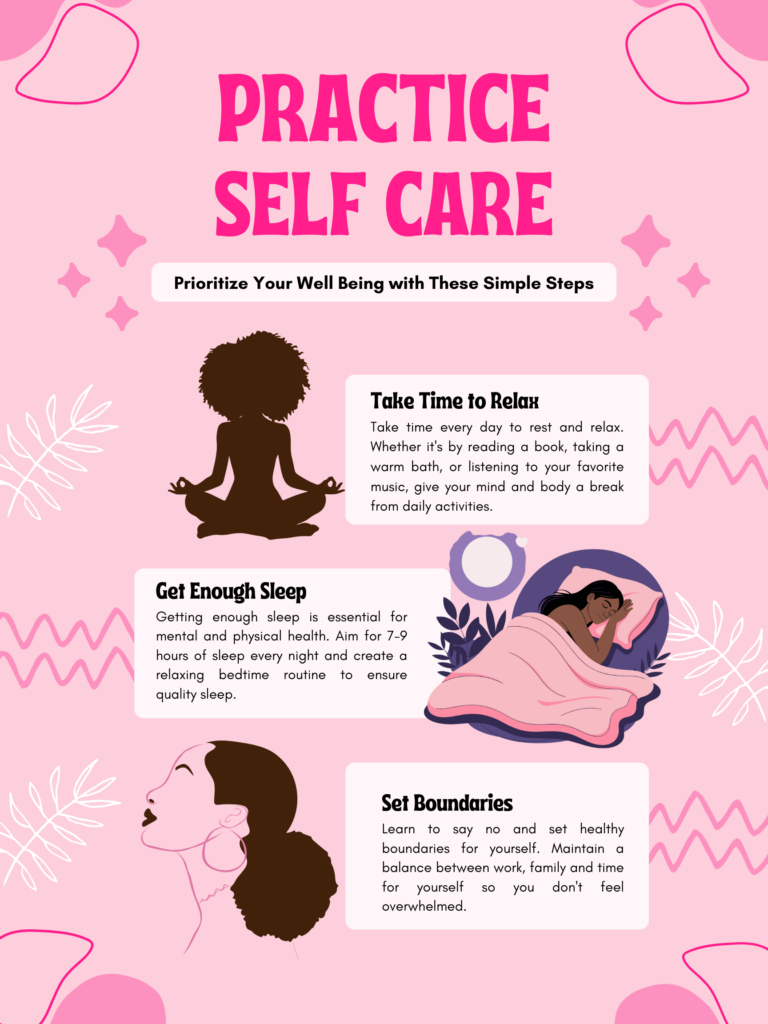
Practice Self Care Reflection Page
The Practice Self Care Reflection Page is a calm visual resource designed to encourage rest, relaxation, quality sleep, and healthy boundaries. Rather than offering instructions or goals, it serves as a gentle reminder of supportive self care practices that help signal safety to the nervous system.
This resource is meant to be revisited during moments of overwhelm, not completed or checked off.
Gentle Self Care Journal (6 Pages)
The Gentle Self Care Journal (6 Pages) is a thoughtfully designed reflection journal created to support rest, emotional balance, and daily check ins without pressure. It offers quiet space for reflection around boundaries, sleep, emotional needs, and self awareness.
This journal is meant to be used slowly and intuitively. It is not something to finish, but a resource to return to whenever grounding or clarity is needed.
Motivation Returns When Safety Is Restored
Motivation is not something that can be forced. It is a byproduct of regulation.
When the nervous system feels safe and supported, clarity, focus, and energy naturally return. Gentle care creates the conditions where motivation re emerges organically rather than through urgency or self criticism.
This is why sustainable momentum always begins with care, not pressure.
You Are Not Broken
Needing gentleness does not mean something is wrong with you. It means your system is communicating wisely.
Fatigue, overwhelm, and emotional sensitivity are not failures. They are signals. Responding with compassion instead of urgency allows balance to be restored without self judgment.
Final Reflection
Motivation has its place. But when the nervous system is overwhelmed, care must come first.
Listening to your body is not a weakness. It is an act of alignment that supports long term well being, emotional stability, and clarity.
Disclaimer
This content is for informational and educational purposes only and is not intended as medical or mental health advice. For personalized care or ongoing symptoms, consider reaching out to a qualified healthcare professional.
When the nervous system is overwhelmed, motivation is not the solution. Visual reminders can help interrupt self pressure and reinforce a more supportive internal dialogue. This poster is offered as a gentle cue to slow down, recalibrate, and respond to your needs with care rather than force.
Self Care