Personal boundaries are often talked about in vague or surface level ways. We are told to set boundaries, protect our energy, or say no more often, but rarely are we asked a deeper and more confronting question.
Do you actually respect your own personal boundaries?
Not the boundaries you wish you had.
Not the boundaries you talk about online.
But the ones you quietly cross every day in the name of peace, love, productivity, or avoiding discomfort.
Respecting your personal boundaries is not about becoming rigid or selfish. It is about creating emotional safety within yourself. It is about listening when something feels off and honoring that signal instead of overriding it.
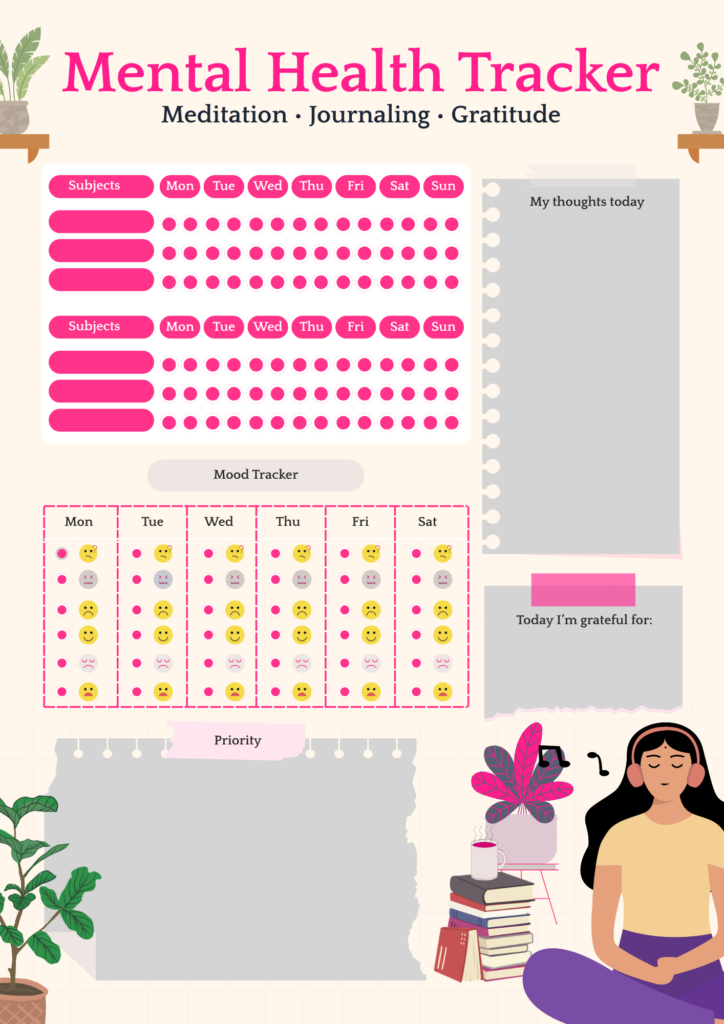
This blog includes The Gentle Mental Health Check In, a simple reflective tool designed to support emotional awareness, energy tracking, and honest self check ins without pressure. It is meant to help you notice patterns, not judge them.
This reflection is not meant to shame or push you into change before you are ready. It is meant to gently bring awareness to the ways many of us abandon ourselves without realizing it.
What Personal Boundaries Really Are
Personal boundaries are the internal guidelines that define what feels safe, acceptable, and sustainable for you emotionally, mentally, physically, and energetically.
They are not rules you impose on other people.
They are promises you make to yourself.
Boundaries show up in subtle ways, such as:
How much emotional labor you give
How accessible you make yourself
What you tolerate repeatedly
How you respond to discomfort
How you manage your time and energy
Healthy boundaries are less about control and more about self trust. When you respect your boundaries internally, you no longer need constant external validation to feel secure.
Why Respecting Your Own Boundaries Is So Difficult
Many people struggle with boundaries not because they do not understand them, but because they were never taught that their needs mattered.
You may have learned early on that:
Being accommodating made you lovable
Saying yes kept the peace
Being quiet avoided conflict
Ignoring discomfort was a form of strength
Over time, these lessons turn into habits of self abandonment that feel normal. You may even pride yourself on being flexible, understanding, or low maintenance, while quietly feeling exhausted, resentful, or unseen.
Respecting your boundaries can feel uncomfortable at first because it disrupts familiar patterns. It asks you to choose honesty over harmony and self respect over approval.
Signs You Might Be Crossing Your Own Boundaries
Sometimes boundary issues are obvious. More often, they hide in everyday choices.
You may be crossing your own boundaries if:
You feel drained after interactions but keep showing up anyway
You agree to things you do not want to do to avoid guilt
You ignore your intuition because it feels inconvenient
You minimize your feelings to keep others comfortable
You feel responsible for other people’s emotions
You struggle to rest without feeling unproductive
You tolerate behavior that repeatedly makes you uncomfortable
These patterns do not mean something is wrong with you. They often mean you learned to prioritize external peace over internal safety.
Knowing Your Boundaries vs Respecting Them
Many people know their boundaries intellectually. They know what drains them, what hurts, and what feels wrong.
Respecting your boundaries is different.
It means:
Acting when a line is crossed
Speaking up even when your voice feels shaky
Making changes instead of making excuses
Allowing others to feel disappointed without fixing it
This is where real growth happens. It is also where discomfort lives. But discomfort is often the doorway to self respect.
Emotional Boundaries and Energy Protection
Emotional boundaries involve how much emotional responsibility you carry.
You may be crossing emotional boundaries if:
You feel obligated to fix other people’s problems
You absorb moods and stress that are not yours
You over explain yourself to be understood
You feel guilty for prioritizing your needs
Healthy emotional boundaries allow compassion without self sacrifice. You can care deeply without carrying everything.
Why Honoring Your Boundaries Can Feel Lonely at First
One of the hardest parts of respecting your boundaries is the emotional shift that follows.
People who benefited from your lack of boundaries may react with confusion, resistance, or distance. This does not mean you are doing something wrong. It often means you are changing the dynamic.
There can be a temporary loneliness when you stop overgiving. That space is not emptiness. It is room for healthier relationships and deeper alignment.
Rebuilding Self Trust Through Boundary Respect
Every time you respect your boundaries, you send yourself a powerful message: I can trust myself.
Trust builds through small, consistent actions:
Leaving a conversation when you feel overwhelmed
Saying I need time to think instead of agreeing immediately
Resting without justification
Declining invitations that do not align with your energy
These moments may seem small, but they create emotional stability over time.
Journaling as a Tool for Boundary Awareness
Journaling is one of the most effective ways to notice where your boundaries are being crossed.
Helpful prompts include:
Where do I feel consistently drained?
When do I ignore my initial feelings?
What situations create resentment?
What am I afraid will happen if I say no?
The Gentle Mental Health Check In included in this post is designed to support this exact process, helping you track emotional patterns and energy shifts without pressure or perfection.
Writing creates space to listen to yourself without interruption or judgment.
Boundary Work Is an Ongoing Practice
Respecting your boundaries is not something you master once. Your needs change. Your capacity changes. Your life evolves.
Some days you will honor your limits easily. Other days you may realize later that you crossed a line. Both experiences are part of learning.
Self respect is built through compassion, not perfection.
Final Reflection
Respecting your personal boundaries is not about being difficult or distant. It is about being honest.
Your energy, time, and emotional well being are valuable. When you honor your boundaries, you teach others how to treat you, but more importantly, you teach yourself that you matter.
That lesson changes everything.
Gentle Mental Health Check In