For a long time, I believed resets had to be dramatic to be effective. New planners. New routines. Big declarations about starting over. Every reset felt like it needed momentum, motivation, and a complete overhaul of my life.
More often than not, those resets left me feeling more pressured than supported. Instead of clarity, I felt behind before I even began.
What I was actually craving was not transformation.
It was steadiness.
So rather than forcing motivation or redesigning my entire routine, I chose something quieter. A gentle reset ritual focused on grounding, reflection, and simple structure. No strict rules. No productivity goals. Just intention, consistency, and nervous system support.
I followed this reset ritual for seven days. What changed was subtle, but deeply meaningful.
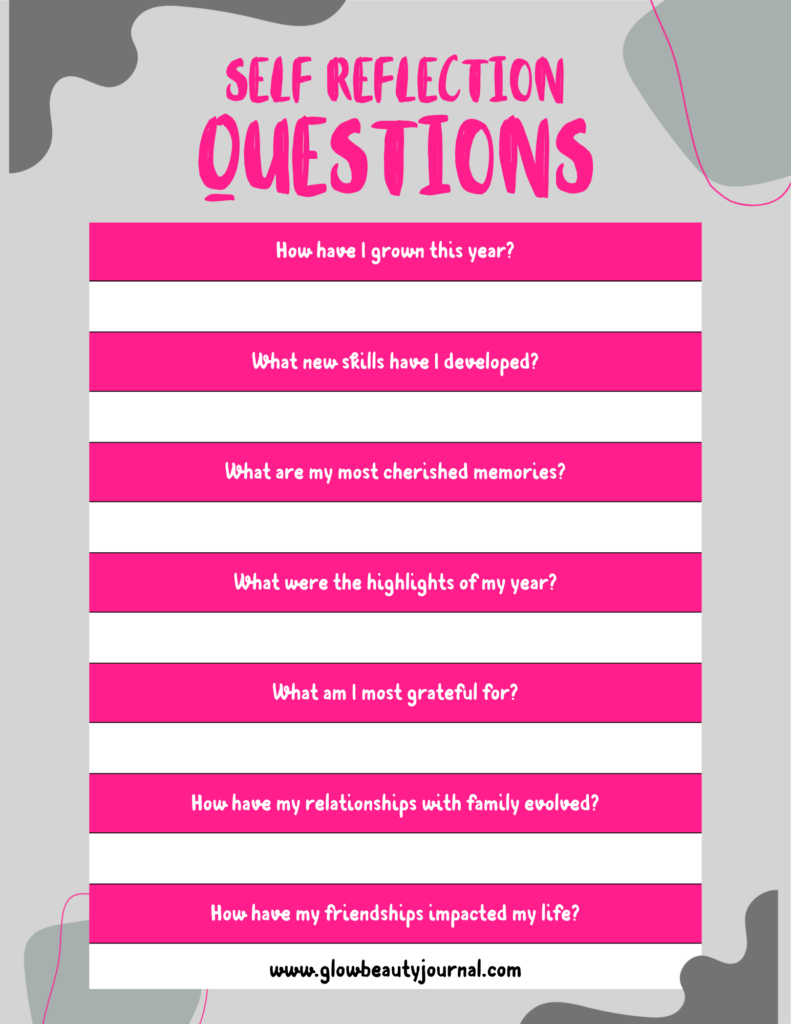
This blog post includes a few free reflection tools shared throughout, designed to support gentle self check ins and intentional resets.
Why I Chose a Gentle Reset Instead of a Big One
Before starting this experiment, I noticed a familiar pattern. Whenever I felt behind, disconnected, or emotionally overwhelmed, my instinct was to push harder. Plan more. Fix everything at once.
My nervous system never responded well to that approach. It responded with resistance, fatigue, and overwhelm. Even small tasks began to feel heavy. Motivation felt forced. Rest felt earned instead of necessary.
This reset ritual was designed to do the opposite. It prioritized safety first, then clarity.
Instead of asking,
“How can I be more productive?”
I asked,
“What would help me feel supported today?”
That single shift changed how the entire week unfolded.
What the Reset Ritual Looked Like
This was not a rigid routine or checklist. It was a flexible framework I returned to daily, adjusting based on my energy and emotional state.
Each day included:
One intentional pause to check in with how I was actually feeling
A short reflection through journaling or quiet awareness
One small act of care for my environment or body
A gentle reset of expectations for the day or week
Some days that meant tidying my space. Other days it meant going to bed earlier. Sometimes it was simply choosing not to add anything extra to my schedule.
The goal was not optimization.
It was regulation.
Day One: Awareness Without Judgment
The first day was about noticing rather than changing.
I became aware of how often I moved through my day on autopilot. Responding quickly. Filling silence with noise. Carrying urgency that did not actually belong to the moment.
I noticed tension I had been ignoring and mental clutter I had normalized. Nothing shifted externally, but internally, awareness increased. That awareness felt grounding rather than overwhelming because there was no pressure to fix anything immediately.
Day Two: Creating Gentle Structure
On the second day, I focused on light structure. Not a full schedule. Just anchors.
A simple morning rhythm and an evening wind down gave my day shape without rigidity. What surprised me most was how calming this felt. Structure did not feel restrictive when it was designed to support my nervous system rather than control my time.
I felt less scattered and more present.
Day Three: Letting Go of Overcomplication
By day three, I noticed how often I overcomplicated decisions, plans, and even rest.
This reset ritual encouraged simplicity. If something felt heavy, I paused and asked whether it was truly necessary right now.
I canceled a few non essential commitments. I simplified meals. I reduced how much information I consumed. The result was mental spaciousness. I felt lighter without needing to do anything extraordinary.
Day Four: Emotional Regulation Through Small Choices
This was the day the emotional shift became noticeable.
Instead of reacting immediately to stressors, I paused. Instead of pushing through discomfort, I softened around it.
Stress did not disappear, but it stopped running the day. I felt more emotionally steady, less rushed, and less irritable. The ritual created space between feeling and reaction.
Day Five: Rebuilding Trust With Myself
One unexpected outcome of this reset ritual was renewed self trust.
Each time I honored what I needed instead of what I thought I should do, confidence grew. I stopped second guessing my choices and felt more comfortable saying no without guilt.
That internal alignment became one of the most meaningful changes of the week.
Day Six: Feeling Supported by My Own Routine
By day six, the ritual felt familiar and comforting.
My environment felt calmer. My mind felt clearer. My body felt less tense. The ritual did not demand consistency. It created it naturally by meeting me where I was.
Day Seven: Integration Instead of Endings
On the final day, I did not feel the urge to start something new. I felt grounded in what already existed.
Instead of viewing this as a seven day challenge completed, it felt like a rhythm I could return to whenever needed. That sense of continuity is what made the practice feel sustainable.
What Changed After Seven Days
The changes were not dramatic, but they were real.
I felt:
More emotionally regulated
Less reactive to stress
Clearer in my priorities
More trusting of my own pace
Supported by my routines rather than controlled by them
Most importantly, I stopped viewing resets as something I had to earn through exhaustion.
Why This Reset Ritual Works
This approach works because it addresses the nervous system first.
When the nervous system feels safe, clarity follows. Motivation returns naturally. Energy stabilizes. Instead of forcing productivity, this ritual creates the conditions where productivity can exist without pressure.
How to Use the Reset Ritual Moving Forward
This reset ritual does not need to be practiced for seven days in a row. You can return to it:
At the start of a new week
During emotionally busy seasons
When motivation feels low
When you want to feel grounded again
It is flexible by design.
Final Reflection
What changed most during this seven day reset was my relationship with myself.
I stopped treating rest as something to justify. I stopped viewing gentleness as weakness. I started listening instead of pushing.
Sometimes the most powerful reset is not starting over, but slowing down enough to hear what you actually need.
After sitting with what shifted, what helped me most was having a place to keep the rhythm going without overthinking it.
I created a 162 page digital monthly planner designed to support gentle structure, reflection, and intentional planning beyond a single reset. It’s not about doing more, but about creating space to stay aligned as your routines evolve.
Mindful Self Reflection Questions
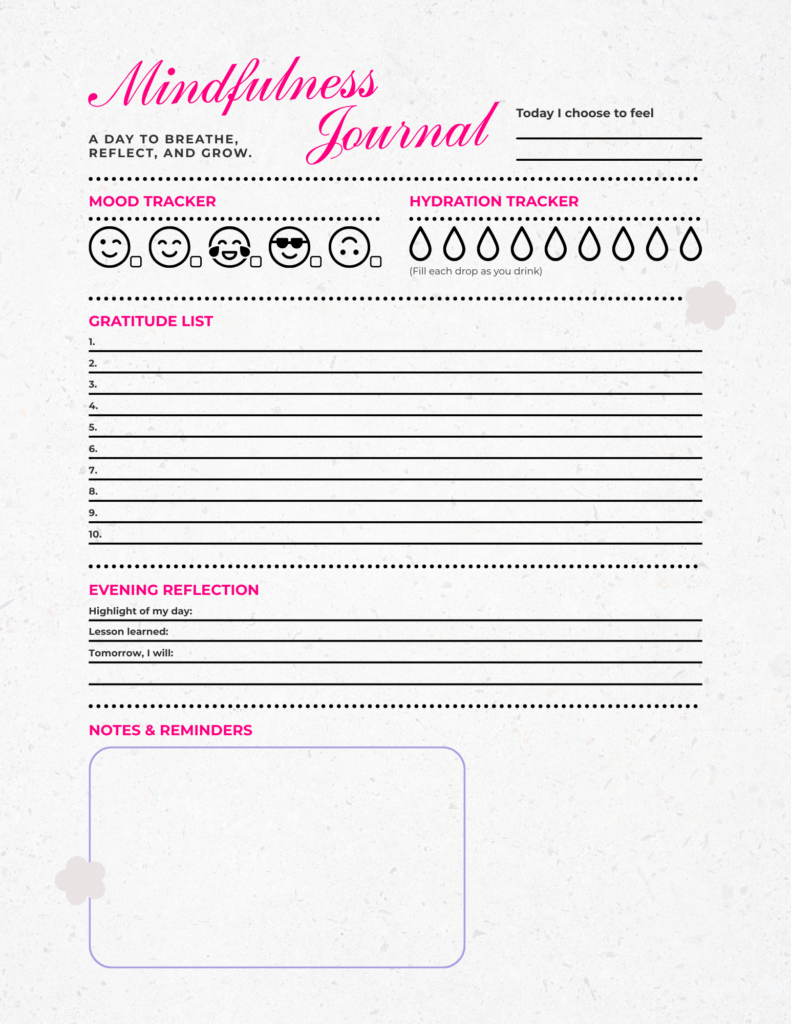
Self Reflection Questions