Spending time alone has a reputation problem. In a culture that celebrates constant connection, productivity, and external validation, being alone is often misunderstood as loneliness or lack. But solitude, when chosen intentionally, is not absence. It is presence.
Time alone is where clarity begins. It is where emotional regulation happens quietly and self trust is built without an audience. When you learn how to be with yourself without distraction, you stop outsourcing your sense of worth, direction, and peace. You begin to feel grounded in who you are rather than who you are expected to be.
This is not about isolating yourself from the world or rejecting relationships. It is about developing a steady, honest relationship with yourself so that everything else in your life feels more aligned, intentional, and sustainable.
This Blog Includes
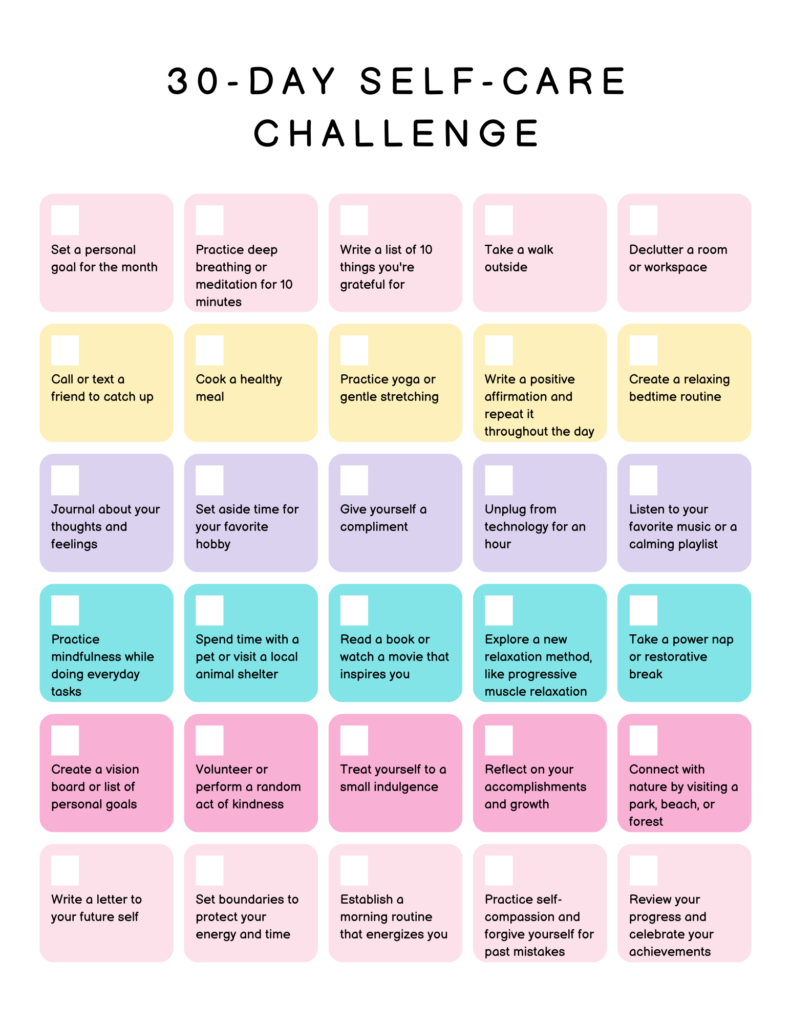
This blog includes a 30 Day Self Care Challenge created to support gentle consistency rather than pressure or perfection. Each day offers a small, intentional practice designed to encourage emotional regulation, nervous system support, and self awareness. The challenge is meant to feel approachable and flexible, allowing you to build trust with yourself while creating space for rest, reflection, and steady personal growth.
Rather than focusing on productivity or drastic change, this challenge serves as a quiet framework for showing up for yourself daily, especially during periods of anxiety, transition, or emotional fatigue.
Below are 30 gentle, realistic ways to spend time alone that support emotional growth, confidence, creativity, and inner stability. These are not productivity tasks or self improvement checklists. They are intentional practices designed to help you reconnect with yourself and strengthen your sense of inner steadiness.
Why Learning to Be Alone Changes Everything
When you are constantly surrounded by noise, opinions, and expectations, it becomes difficult to hear your own voice. Time alone creates space between who you are and who the world expects you to be.
Solitude strengthens emotional independence. It teaches you how to process feelings instead of avoiding them. It allows your nervous system to slow down. Over time, this builds resilience and self awareness.
Most importantly, spending time alone helps you develop self trust. When you consistently show up for yourself in quiet moments, you stop seeking constant reassurance from others. You begin to feel safe within yourself.
30 Ways to Spend Time Alone Intentionally
Reflect and Recenter
- Journal without a prompt and allow your thoughts to unfold naturally
- Write about a lesson you learned the hard way and what it taught you
- Reflect on what your current season of life is asking of you
- Notice emotional patterns that show up when you are alone
- Write a letter to your future self about who you are becoming
Reflection is not about fixing yourself. It is about understanding yourself. These moments create emotional clarity and self awareness that cannot be rushed.
Care for Your Nervous System
- Take a slow walk without music or your phone
- Practice deep breathing or gentle stretching
- Create an evening wind down routine that signals safety to your body
- Sit in silence for five minutes and check in with your physical sensations
- Spend time in natural light or near a window
Your nervous system responds to consistency and gentleness, not pressure. These practices help regulate stress and create a sense of internal calm that supports mental and emotional health.
Build Self Trust
- Make one small promise to yourself and keep it
- Choose rest when your body asks for it instead of pushing through
- Make decisions without immediately seeking outside validation
- Practice saying no without over explaining
- Honor your energy levels instead of forcing productivity
Self trust is built through follow through, not perfection. Each time you listen to yourself and act accordingly, you reinforce your inner authority.
Strengthen Emotional Independence
- Sit with uncomfortable emotions without distraction
- Allow yourself to feel boredom without escaping it
- Notice where you seek external validation and gently pull that energy back
- Practice self soothing techniques that help you feel grounded
- Validate your own experiences internally before sharing them
Emotional independence does not mean you stop needing others. It means you stop abandoning yourself while seeking connection.
Explore Creativity Without Pressure
- Write creatively without worrying about outcomes or audience
- Rearrange your space to reflect who you are now
- Create something simply because it feels good
- Experiment with style, aesthetics, or routines privately
- Curate a playlist that reflects your current emotional state
Creativity thrives in solitude. When you remove performance, you reconnect with your authentic expression.
Clarify Identity and Direction
- Define your personal values clearly and honestly
- Revisit your goals and adjust them based on alignment
- Write down what peace looks like in your life right now
- Reflect on what you are protecting your energy from
- Practice doing nothing without guilt
Clarity does not come from doing more. It comes from slowing down enough to listen.
How Time Alone Builds Confidence Naturally
Confidence is often misunderstood as being loud, visible, or assertive. True confidence is quiet. It comes from knowing yourself deeply and trusting your inner compass.
When you spend time alone consistently, you stop reacting impulsively. You make decisions with intention. You become less influenced by comparison and more anchored in your own values.
Over time, this creates a sense of calm certainty that others can feel. You do not need to prove yourself when you are grounded in who you are.
Being Alone vs Being Lonely
Loneliness is the absence of connection. Solitude is the presence of self.
The difference lies in intention. When you choose to spend time alone as a form of self respect, it becomes nourishing rather than draining. It allows you to reconnect with your needs, boundaries, and desires.
Learning to enjoy your own company changes how you show up in relationships. You stop settling for dynamics that disrupt your peace. You choose connection from fullness rather than lack.
Psychology and neuroscience research explain that time alone supports deeper thinking, creativity, emotional regulation, and independent decision making. For many people, solitude is not avoidance, it is alignment.
If you are curious about the science behind why solitude benefits intelligent minds, this research based guide explores the psychology in depth:
10 Reasons Brilliant People Prefer to Spend Lots of Time Alone, According to Research
This article breaks down the cognitive and emotional benefits of solitude and explains why alone time is often a strength rather than a weakness.
A Gentle Reminder
You do not need to overhaul your life or complete every practice on this list. Even one intentional moment alone can shift your emotional state.
Growth does not require intensity. It requires consistency and compassion.
When you learn how to be with yourself, you stop fearing quiet moments. You stop rushing to fill space. You begin to trust that you are enough on your own.
That is where real confidence begins.
30 Day Self Care Planner: A Gentle Guide to Emotional Balance and Daily Reset