 In a world that equates success with visibility and constant connection, choosing solitude is often misunderstood. Time alone is frequently labeled as loneliness, disengagement, or social withdrawal. Research suggests something very different.
For many highly intelligent, perceptive, and creative individuals, solitude is not an escape from life. It is a way of engaging with it more clearly. Time alone supports deep thinking, emotional regulation, creativity, and self awareness. It creates the conditions necessary for clarity rather than distraction.
Psychological and neurological research consistently shows that intentional solitude is linked to higher cognitive performance, emotional stability, and independent decision making. Below are ten research backed reasons brilliant people often prefer spending time alone, along with what that preference actually supports.
1. Solitude Supports Deep Thinking and Complex Processing
Highly intelligent minds tend to process information deeply rather than quickly. This kind of cognitive processing requires uninterrupted mental space.
According to the American Psychological Association, complex problem solving and critical thinking improve when distractions are minimized. Solitude reduces cognitive load and allows the brain to focus on one thought stream at a time instead of constantly shifting attention.
For people who think deeply, frequent interruptions can feel mentally exhausting. Time alone allows ideas to fully form, connect, and evolve.
2. Alone Time Encourages Original Thought and Creativity
Creativity thrives away from observation and evaluation. Research published by Harvard Business Review explains that solitude supports divergent thinking, which is essential for innovation and original ideas.
Without external influence, comparison, or performance pressure, the brain is more likely to explore unconventional connections. This is why writers, artists, scientists, and innovators often seek solitude during creative work.
Solitude creates freedom to think without filtering ideas through social expectations.
3. Intelligent People Are Often More Sensitive to Overstimulation
Studies suggest that individuals with higher intelligence often experience stimulation more intensely. Noise, conversation, multitasking, and constant input can quickly drain mental energy.
Research published in Personality and Individual Differences found that people with higher cognitive ability reported lower life satisfaction when engaging in frequent socializing. One explanation is overstimulation interfering with their preferred mental state.
Solitude allows the nervous system to recover from constant input and regain balance.
4. Time Alone Supports Emotional Regulation
Quiet environments help regulate the nervous system. According to research shared by the National Institutes of Health, reduced stimulation lowers cortisol levels and supports emotional balance.
Solitude allows emotions to be processed without urgency, explanation, or suppression. Instead of reacting externally, intelligent individuals often prefer to regulate internally first.
This leads to calmer responses, clearer communication, and improved emotional resilience.
5. Solitude Strengthens Self Awareness
Self awareness requires space. Psychology Today explains that intentional solitude improves emotional intelligence by allowing people to observe their thoughts and feelings without distraction.
Highly intelligent individuals often reflect deeply on their experiences, values, and decisions. Time alone provides the environment needed for that reflection.
This inward clarity often leads to stronger boundaries, better choices, and a more grounded sense of self.
6. Alone Time Reduces Social Comparison
Constant social interaction increases exposure to comparison, which can distort self perception and create unnecessary stress.
Harvard Health research shows that reducing social comparison is associated with greater emotional stability and satisfaction. Solitude helps individuals stay anchored in their own values rather than external benchmarks.
For intelligent people, this internal grounding supports confidence without performance.
7. Intelligent People Prefer Depth Over Frequency in Relationships
Research suggests that thoughtful individuals often value meaningful connection over frequent interaction. The American Psychological Association notes that deeper relationships tend to provide more satisfaction than constant social engagement.
Solitude preserves emotional energy for relationships that feel aligned and purposeful. It is not about avoiding people, but about choosing connection intentionally.
8. Solitude Improves Independent Decision Making
When external influence is reduced, clarity increases. Research published in Nature Human Behaviour shows that independent reflection leads to more accurate and consistent decision making.
Time alone allows intelligent individuals to evaluate options without social pressure, groupthink, or emotional noise. Decisions become aligned rather than reactive.
9. Alone Time Supports Nervous System Health
Chronic stimulation keeps the body in a heightened state of alert. The Cleveland Clinic explains that quiet time activates the parasympathetic nervous system, which supports calm, recovery, and emotional regulation.
For people who process information deeply, this regulation is essential. Solitude becomes a form of nervous system care, not withdrawal.
10. Solitude Is an Intentional Choice, Not Avoidance
Contrary to common belief, intelligent people do not choose solitude because they lack social skills. Research shows that intentional solitude is associated with emotional maturity and self trust.
When alone time is chosen rather than imposed, it becomes a source of strength. It supports clarity, creativity, and internal alignment rather than isolation.
A Reflection Tool for Intentional Solitude
Understanding the research is only one part of the process. Insight deepens when you reflect on your own relationship with solitude.
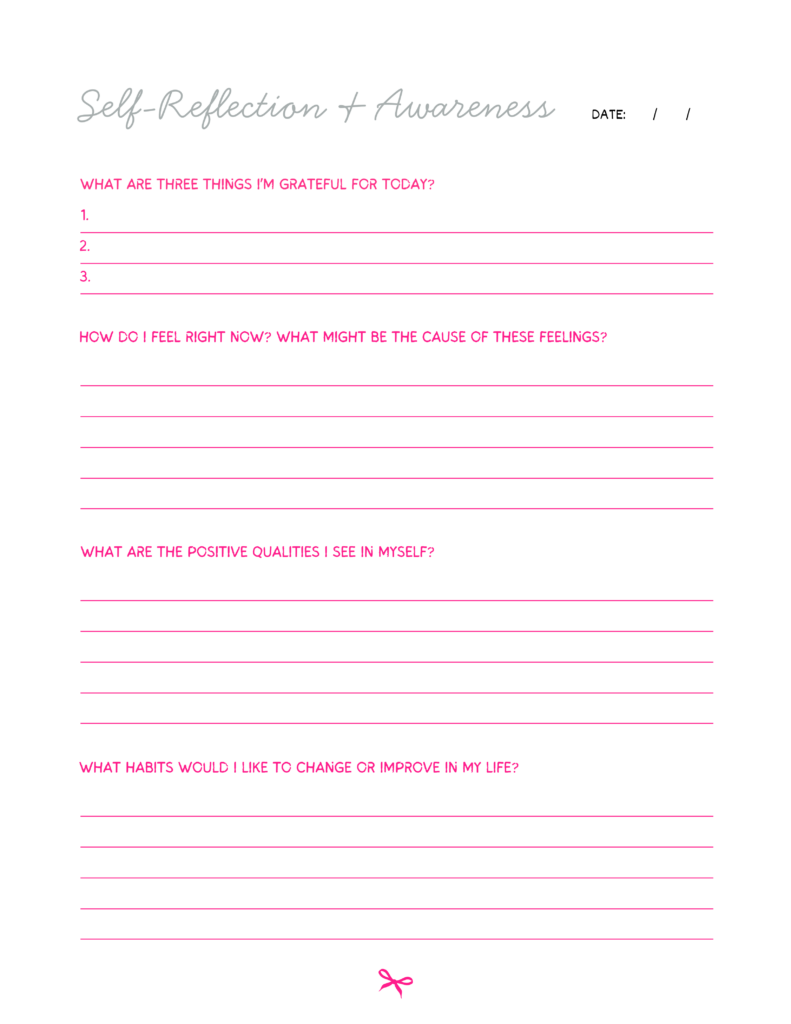
This post includes a Self Reflection and Awareness tool designed to help you explore how time alone affects your energy, focus, creativity, and emotional balance. The prompts encourage awareness without judgment and help you identify when solitude feels restorative versus draining.
The reflection is meant to be used slowly and privately. There is no right conclusion. The purpose is clarity.
How to Spend Time Alone With Intention
Knowing why brilliant people value solitude often leads to a deeper question: how do you actually spend time alone in a way that supports growth rather than isolation?
If you are looking for practical, realistic ways to use solitude intentionally, explore this related guide:
30 Ways to Spend Time Alone and Become the Best Version of Yourself
https://www.glowbeautyjournal.com/30-ways-to-spend-time-alone
This companion post offers gentle practices that support emotional independence, creativity, self trust, and nervous system regulation. It is designed to help solitude feel grounding, not empty.
Final Thoughts
Solitude is not a rejection of connection. It is a commitment to clarity.
For many intelligent and emotionally perceptive people, time alone is where insight sharpens, creativity expands, and self trust deepens. Research confirms what many already sense intuitively: solitude supports how the mind and body function best.
When chosen intentionally, alone time becomes an advantage rather than a deficit.
Solitude is not absence.
It is presence without distraction.
Self Reflection & Awareness Guide